Introduction
Snorkelling and diving are valuable means to comprehend the variety and fragility of our oceans. While everyone needs a once in a lifetime occasion, great photos and incredible events, we don't constantly worry about how to conserve the coral reefs and ecosystems we've to appear to see first-hand.Here are our tips on what you can perform to enable safeguard our reefs, marine wildlife and oceans.
Being a dependable tourist begins before your holiday does. Before you book, discover about the environmental techniques of the resorts or operators in the region you’re touring and appoint someone with good sustainability strategies.
1.
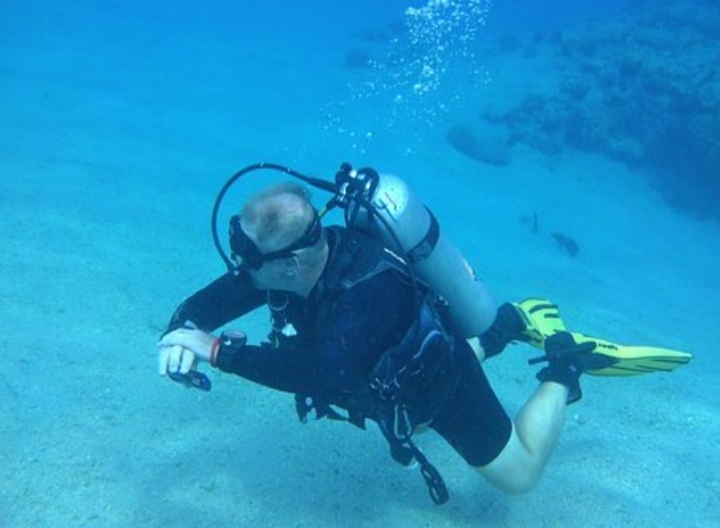
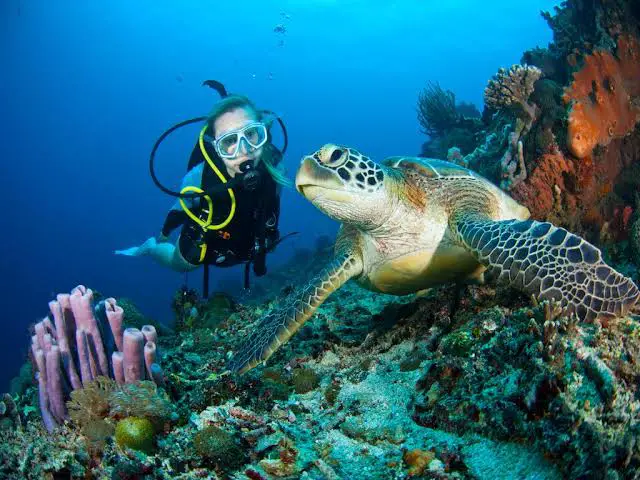
Act Responsibly in The Water Obey environmental best strategy when diving or snorkelling. Don’t touch or track down marine life because this can steer to worried and frightened creatures that will swim away, damaging your encounter.
Furthermore, don’t step on coral. It might appear like a rock, but the coral animal is fragile and can be effortlessly broken. Because it’s so sluggish thriving, just a minor breakage can put up with many months to recoup from.
Recall, there might likewise be critters dwelling in the sand, so attempt not to mix the remainder. As well as damaging the visibility, careless divers and swimmers who frazzle the sand can harm and disperse disease on reefs.
Numerous people who are awe-stuck by discerning a pristine coral reef want to arrive home with some photos to share with family and friends. If that’s you, be extra conscious of your position and buoyancy in the water.
It’s effortless to become so focused on your shot that you don’t realise you just knocked or kicked some coral.
2. Prevent Toxic Sunscreens
Sunscreen is widely utilised when swimming, diving and snorkelling. Also, analyses have indicated some chemical compounds in sunscreen comprising Oxybenzone and Octinoxate may harm coral reefs, even in small quantities when wearing sunscreen while in the water, it can rinse off and penetrate the water, damaging coral reefs.These chemicals have resulted in bleaching, hurt coral DNA and infringe with a coral replica in lab-based studies. It’s significant to stave off these chemicals penetrating the ocean to reduce this danger by preventing sunscreens comprising chemicals substantiated to damage coral reefs, utilising reef-safe and concealing possibilities when in healthy sunshine.
3. Put Attention What You Take Home
It presumably goes without explaining not to take aquatic life from the ocean, whether dead or alive but the exact also take off for exotic shells.Everything in the ocean takes advantage of a role in the ecosystem.
Even extinct species break down and are converted into the sea, so eliminating them restrains other nutrients they need for growth. Banking where you are, taking marine life, shells or coral might even be illegal.
The exchange of souvenirs made of shell, coral or other marine life can furthermore hurt the ocean by eliminating essential elements from the ecosystem.
4. Don’t Feed the Fish
In several destinations, fish feeding is a popular way to entice marine life for travellers to see.It might appear harmless sufficiently but is hazardous to fish health and the broader ecosystem. Marine ecosystems are all affiliated, and nourishing fish can disrupt the normal equilibrium of things. When tourists toss bread, rice or other food scraps into the water, reef fish will rush to them, evacuating their habitat and nests unguarded and weak to predators.
With this new food basis, fish that generally consume algae may quit doing so, evacuating the algae to thrive unhindered and smother coral.
It can also steer to predator communities such as the crown-of-thorns sea star heightening out of supervision and injuring the reef because their eggs usually are accidentally eaten while fish are grazing on algae.
It’s also toxic to the fish themselves.
Most marine animals have a specific diet and span of digestive bacteria. Being fed the wrong food can guide to the wrong sort of bacteria coming to be prominent in their stomachs, meaning they can no longer absorb their natural food and may famish to death.
5. Don’t Litter the Ocean
Unfortunately, tourism is one of the vastly substantial references to marine litter.Recall, your behaviour above the water furthermore affects the life below. Junk entering the ocean destroys marine life, poisons seafood and can result in injury.
The good news is that you can put up with direct action, refuse single-use plastics, lessen your overall plastic input, recycle and dispose of litter appropriately. If you’re a smoker, throwing your cigarette butts in the ashtrays given, so there’s no chance of them being thumped into the sea.
You can also compile any debris you see on the shore or while swimming, snorkelling or diving and take it back to shore for adequate disposal.
Check here for more
6. Report Environmental Violations
Suppose you notice any harmful procedures or infringements of environmental laws, report to your dive guide, dive operator or government officials. By notifying key authorities, you are a portion of the solution as your efforts can lead to appropriate action.7. Get Involved with Citizen Conservation Projects
This involve taking part in clean-up occasions, look out for preservation projects you can partake in for instance, assisting with reef monitoring or contributing to citizen science by taking ID photos of the animals you notice underwater and disseminating these with scientific societies8. Don’t Support Destructive Industries
People will visit from thousands of miles to see sharks in the wild, benefiting entire tourism industries. Sharks are worth more alive than dead so do not endorse the brutal shark finning business. If a restaurant serves shark fin soup, choose to eat your meal elsewhere.Marine ecosystems are all affiliated and feeding fish can disrupt the normal balance of things