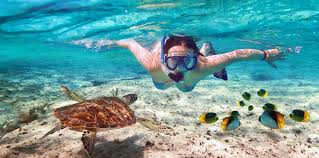
Snorkeling is one of the easiest ways to explore underwater life, but the ocean demands respect. These safety practices protect you while you enjoy the experience.
Gear Check
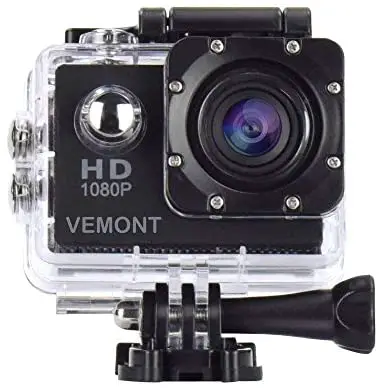
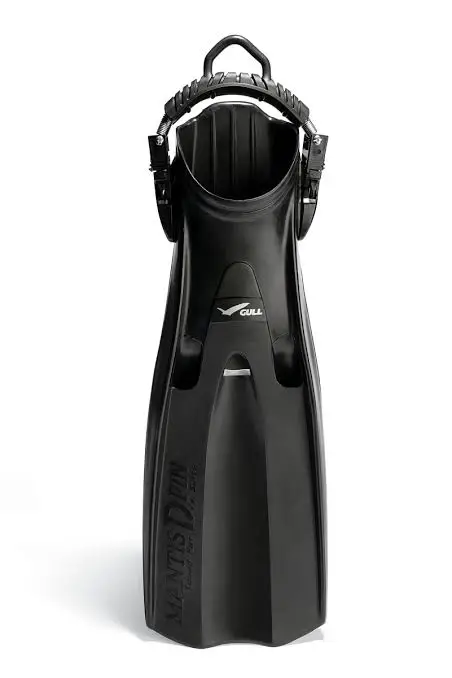
Test your mask, snorkel, and fins in a pool or calm water before heading to the ocean. A leaky mask ruins the experience and causes panic in open water. The mask should seal against your face without the strap, using only gentle suction from inhaling through your nose. Fins should fit snugly without pinching.
Buddy System
Never snorkel alone. A buddy provides immediate assistance if you cramp, get caught in current, or have an equipment problem. Stay within sight of each other. Agree on hand signals before entering the water: thumbs up for okay, hand waving for attention needed.
Check Conditions
Assess wind, waves, and current before entering. Calm, clear conditions are ideal for beginners. Offshore winds push you away from shore, making the return swim difficult. If waves are breaking heavily, postpone. If the water is murky with low visibility, visibility-dependent activities like snorkeling become risky.
Entry and Exit
Enter the water from a calm, sandy area when possible. Rocky entries require caution to avoid cuts and slips. Put your fins on in shallow water, not on shore where you risk falling. Exit before you are tired. Swimming back exhausted against current is one of the leading causes of snorkeling emergencies.
Breathing Technique
Breathe slowly and deeply through the snorkel. Shallow, rapid breathing causes carbon dioxide buildup and dizziness. If water enters the snorkel, exhale sharply to clear it. Practice this in calm water until it becomes automatic. Do not hold your breath. Hyperventilation followed by breath-holding underwater can cause shallow water blackout.
Sun Protection
You will burn faster than expected. Water reflects UV radiation, and you are exposed for extended periods. Wear a rash guard or UV shirt. Apply reef-safe sunscreen to exposed skin. Reapply after exiting the water.
Marine Life
Look but do not touch. Coral is alive and fragile. Touching it damages the organism and can cut your skin. Maintain distance from all marine animals. Do not chase or corner fish. Some species bite or sting when threatened. If you see a jellyfish, swim calmly in the opposite direction.
Know Your Limits
Snorkeling is swimming. If you are not a confident swimmer, practice in a pool first. Start in shallow, calm water close to shore. Gradually increase distance and depth as your comfort and skills grow.